01
No rig, no mocap suit
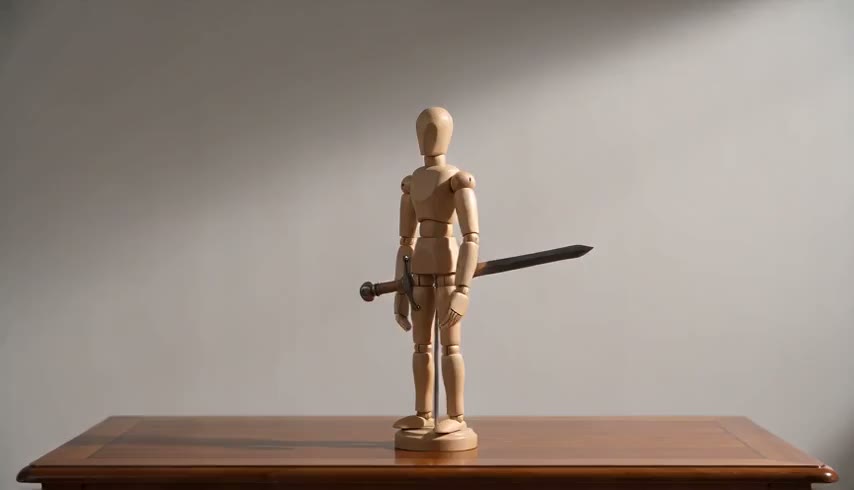
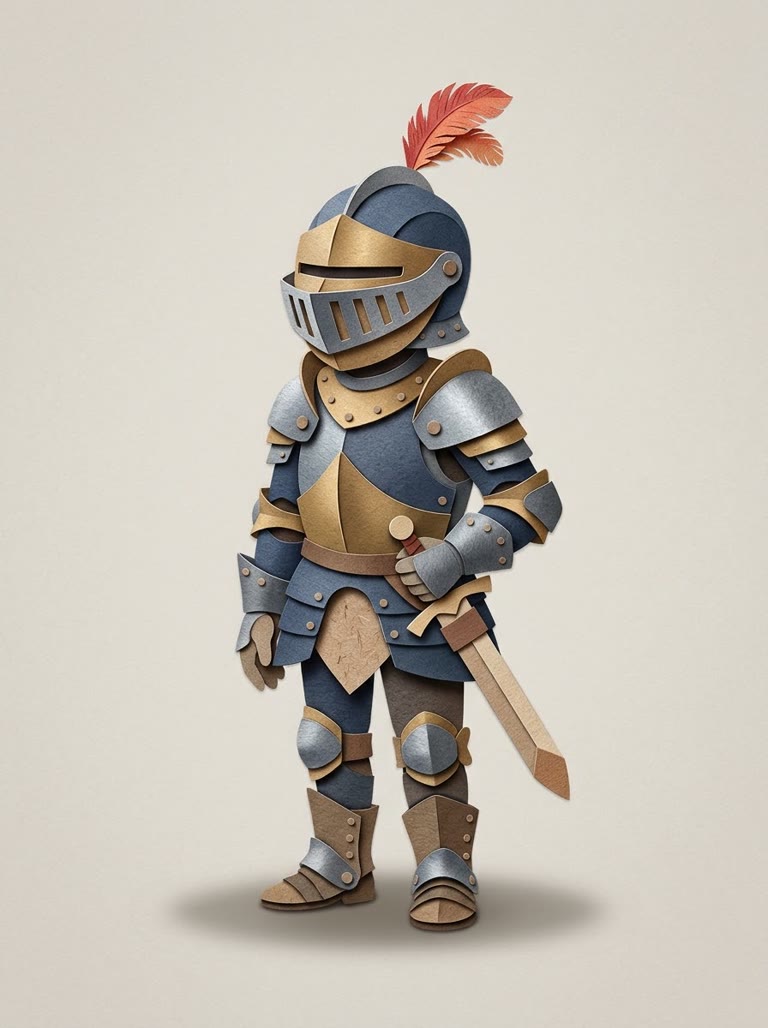
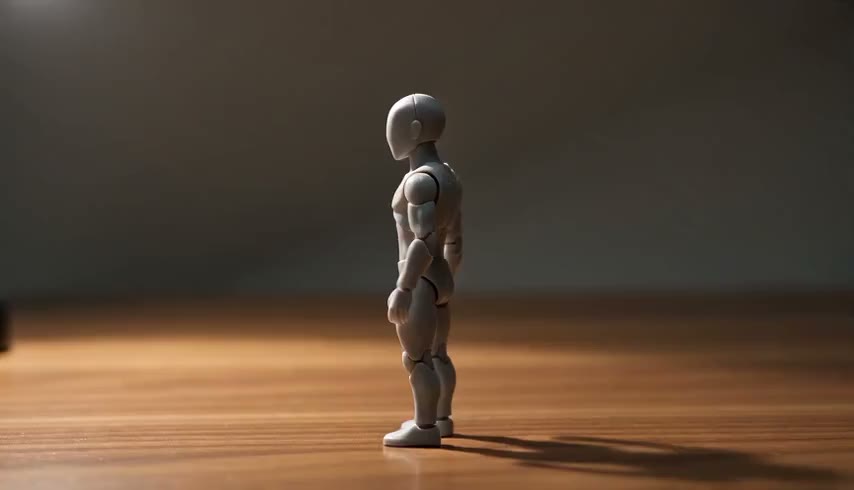
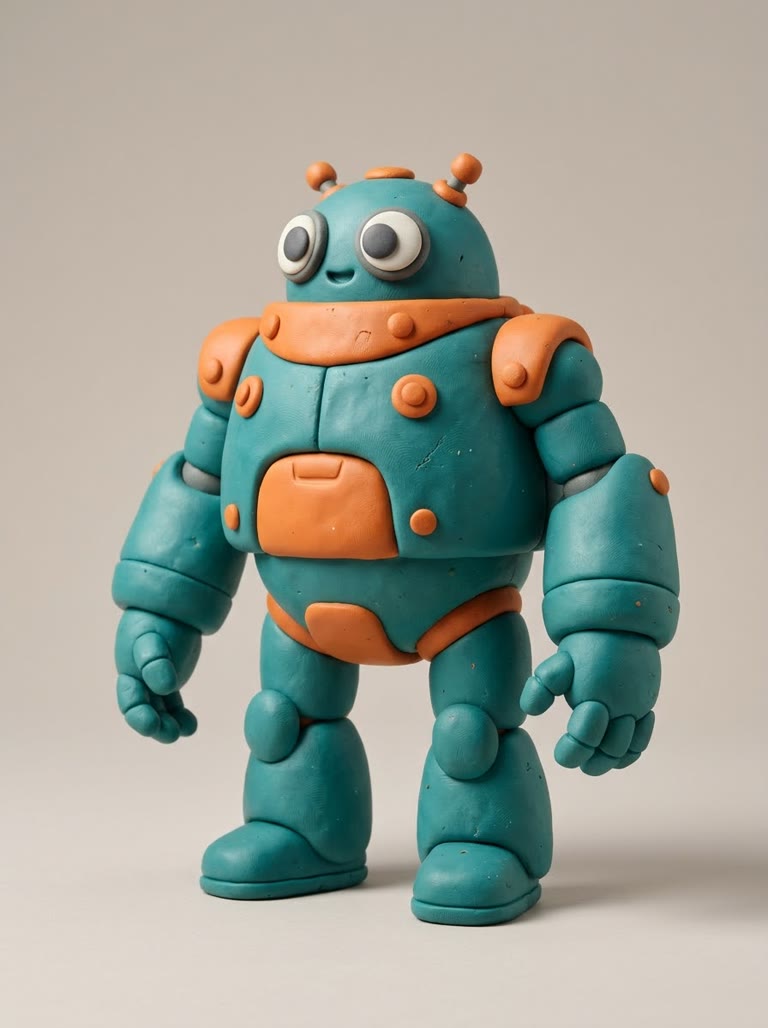
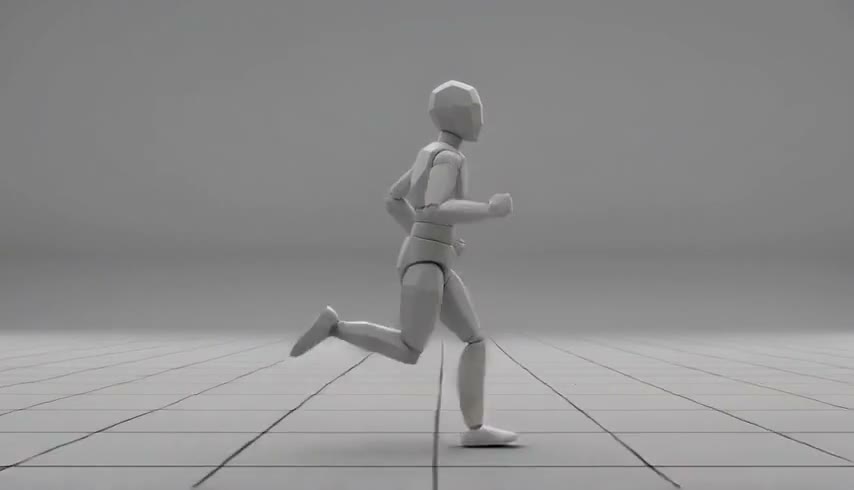
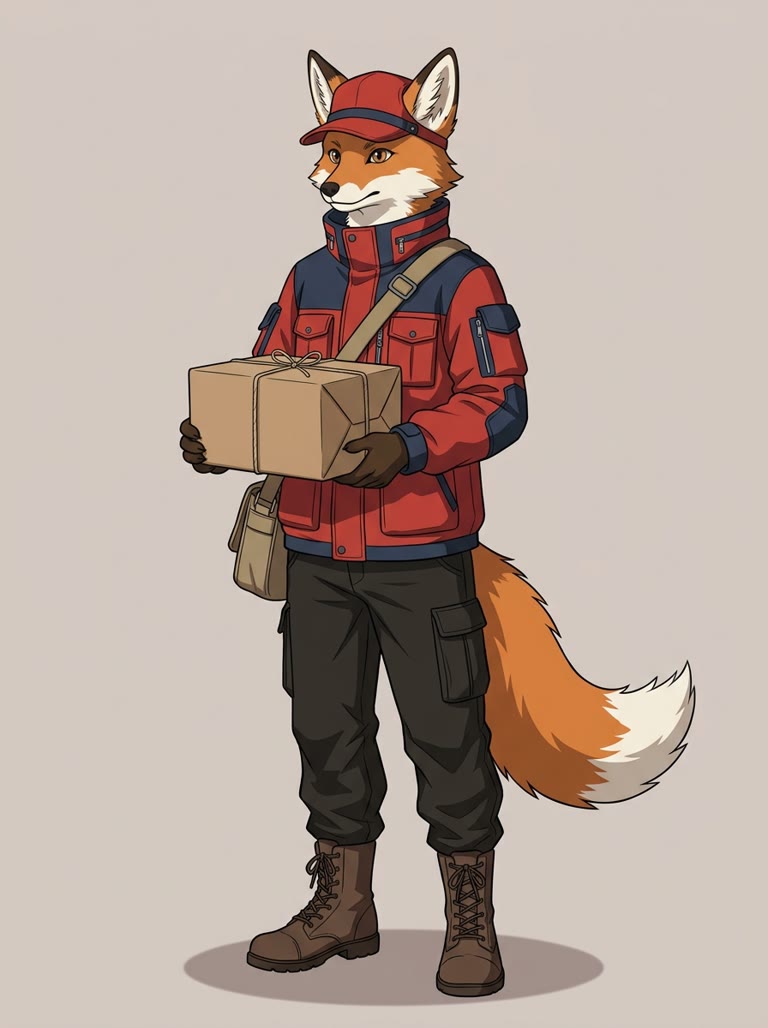
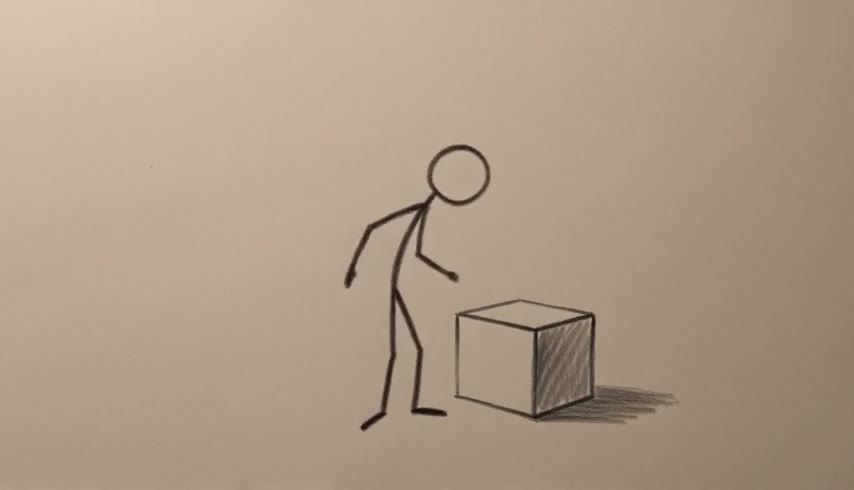
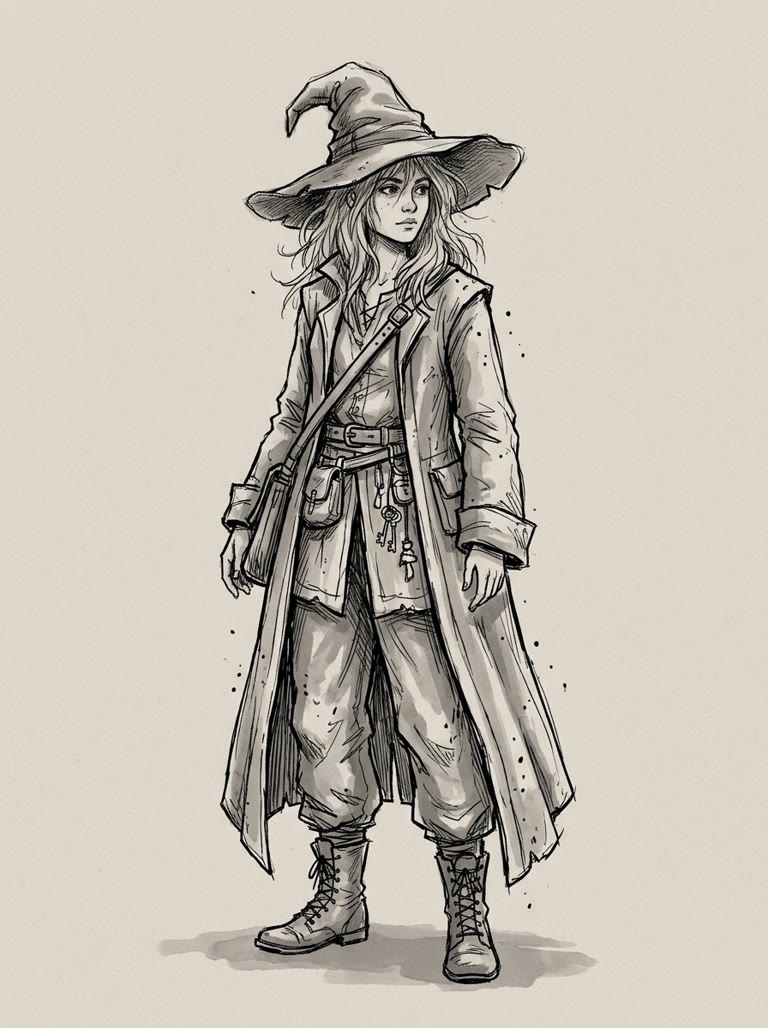
Classic motion capture needs a rigged character, a suit with markers or sensors, cameras and a clean-up pass before the motion is usable. That is right for a final game animation, and far too much for a pitch, a previs pass or a quick test. Here the phone clip is the capture and the character picture is the rig. You do not get skeletal data or a file for a 3D package; you get a video of your character doing your move, which is what an animatic or a director review needs.
02
What happens to the person in the clip
Nothing of them reaches the take except motion. The model follows the body positions and the camera path in the reference and draws your character in their place, in the setting your scene line describes. Faces and identities are never carried over, and the site does not offer swap or "put yourself in" features. Because the clip still shows a real person, every take asks you to confirm that you are that person or have their permission. Clips of minors and of public figures are refused.
03
Getting cleaner results
The biggest gains come from the reference, not from the pass. Film with the whole body in frame and a little space around it; a cropped foot becomes a guessed foot. Wear clothes that contrast with the wall. Exaggerate slightly: animation reads bigger than life, and a timid reach can come out as a twitch. Then match the character picture to the shot: a full-body picture for a wide shot, a waist-up picture for a medium one. If a Draft looks wrong, change the reference before you pay for a better pass.